
The True Origin of Acai
Understanding the Journey of the Amazon’s Most Iconic Superfruit
Long before acai appeared in smoothie bars, fitness menus, and minimalist dessert shops, it was a lifeline for communities deep in the Amazon rainforest. The dark purple fruit that we enjoy in bowls and cups today carries a history shaped by rivers, forests, indigenous knowledge, and careful cultivation.
For AcaiX, and for our first brand AcaiXpress, acai is not a passing trend. It is a fruit with a story. To understand why we care so much about purity, sourcing, and authenticity, it helps to start where acai truly began.
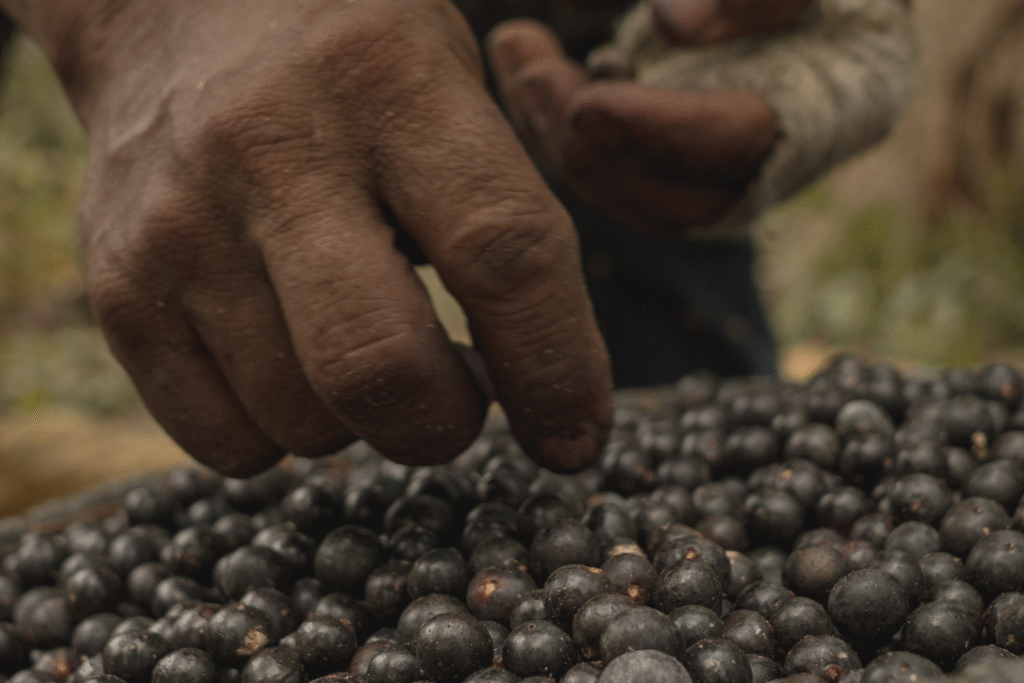
Acai in the Heart of the Amazon Rainforest
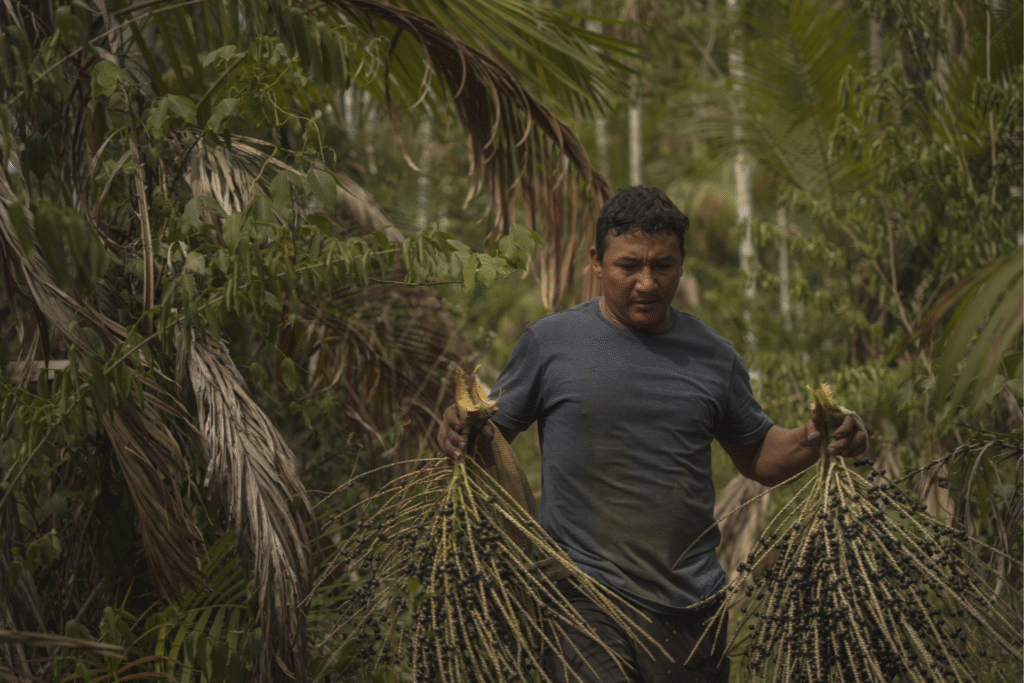
Acai comes from the Euterpe oleracea palm, a tall palm tree that grows naturally along the floodplains of the Amazon basin. These trees thrive in humid, water rich environments near rivers and wetlands. They can reach impressive heights, with clusters of small, dark purple berries hanging close to the canopy.
Harvesting acai in its original environment is demanding and highly skilled work. Traditional harvesters, often called peconheiros, climb the palms using only a simple foot strap made from natural fibers. They scale the smooth trunk barefoot, cut down the heavy fruit clusters, and carefully slide back to the ground. This method has been used for generations, with techniques passed from parent to child.
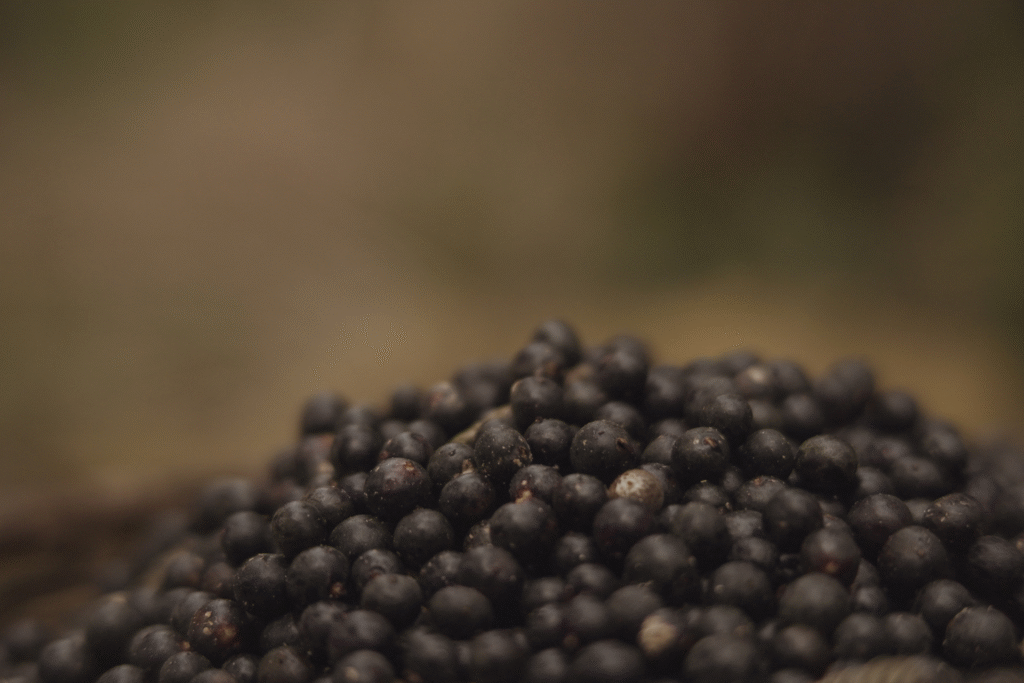
The fruit itself is very different from what most people expect. Each acai berry has a thin layer of pulp and skin surrounding a large seed. The edible part is a small percentage of the whole fruit, which is why careful processing is so important. Freshly harvested berries must be soaked, softened, and then mechanically pulped to separate the nutritious outer layer from the seed inside. In the Amazon, this process usually happens within hours of harvest because fresh acai is highly perishable.

A Daily Staple for Indigenous Communities
Long before acai became known as a superfruit, it was simply food. For indigenous and riverine communities in the Amazon region, acai has been a staple for centuries. Families traditionally consume it as a thick, creamy purple pulp. It is often mixed with water and served alongside fish, cassava flour (farinha), or rice, turning it into a complete and filling meal.
This daily consumption has several reasons. Acai is rich in healthy fats, especially omega fatty acids, which provide long lasting energy. It also contains fiber, minerals such as iron and potassium, and natural compounds with antioxidant properties. In remote areas where access to varied foods can be limited, acai offers a concentrated source of nutrition that supports demanding physical lifestyles.
Acai is also part of family rituals and community gatherings. Children grow up with its taste as a constant presence at home. For many Amazonian communities, the smell of freshly pulped acai in the morning feels as normal as the smell of freshly brewed coffee in other parts of the world. It is comfort food, everyday food, and cultural heritage at the same time.
Cultural and Economic Life Around Acai in Brazil
The influence of acai extends beyond the household. It shapes local economies across northern Brazil. In cities such as Belém and Manaus, acai is sold in neighborhood markets, on street corners, and in specialized shops called batedeiras. These shops focus on one core task. They receive fresh berries, process them, and sell the pulp throughout the day.
Acai is often purchased by the liter, taken home in containers, and eaten with simple accompaniments like tapioca flour or sugar, depending on regional habits. In some areas, it is preferred unsweetened and enjoyed with savory dishes. In others, it is lightly sweetened and served as a dessert or snack.
The harvest and processing of acai support thousands of families in the Amazon region. The value chain starts with forest collectors who manage and protect acai rich areas, continues with small scale processors, and reaches urban consumers who rely on fresh pulp as part of their routine. This system requires coordination, as the fruit must be transported, processed, and sold quickly to preserve quality.
For many Brazilians in the north, acai is a symbol of identity. It represents the rhythm of the river cities, the strength of local workers, and the continuity of traditions that survived colonization and modernization.
From Regional Staple to Global Superfruit
Acai remained mostly regional for a long time, even within Brazil. Its transformation into a global product began when improved freezing technology allowed the pulp to be preserved and transported to other parts of the country and eventually overseas.
The early 2000s marked a turning point. Brazilian surfers, athletes, and health enthusiasts in cities such as Rio de Janeiro and São Paulo began promoting acai bowls as an energizing, refreshing meal before and after training. These bowls combined frozen acai pulp with fruits, granola, nuts, and honey, creating the format that many people recognize today.
International travelers discovered acai during visits to Brazil. Slowly, cafes and juice bars outside the country started offering acai based items on their menus. English language media began to describe acai as a superfruit because of its antioxidant content, rich color, and reputation for supporting active lifestyles. From there, acai moved into major markets in North America, Europe, and Asia, gaining attention from wellness communities, food innovators, and dessert brands.
Behind this rise, however, the original story of acai remained anchored in the Amazon, where communities continued to treat it as a staple food rather than a luxury product. For brands that value authenticity, honoring that origin is essential.
The Arrival of Acai in the UAE and the Role of AcaiXpress
In the early 2010s, acai was still unfamiliar in the United Arab Emirates. It appeared occasionally in international articles and travel stories, yet it was rarely available in local cafes or restaurants. Many people in the UAE had never seen an acai bowl, and the fruit was almost absent from the mainstream food scene.
This changed in 2014 with the launch of AcaiXpress in Abu Dhabi. AcaiXpress was created with a single clear goal. Bring real, authentic acai from Brazil to the UAE, in a way that respects its origin and preserves its natural character.
From the beginning, the focus was on quality. AcaiXpress sourced acai pulp from producers who respected proper harvesting and processing standards. The aim was to deliver the same depth of flavor and texture that people in northern Brazil expect from their daily acai, instead of offering a diluted or heavily sweetened version.
Introducing acai to a market that had little prior exposure required more than importing a product. It required education, patience, and consistent storytelling. AcaiXpress staff spent time explaining what acai is, where it comes from, and how it is traditionally consumed. Customers received information about the difference between pure acai, unsweetened acai, and sorbet style acai. Over time, people began to understand that this was not just another frozen dessert trend. It was a fruit with deep roots and a clear identity.
Kiosks and outlets in high traffic locations allowed more residents and visitors to taste acai for the first time. Fitness communities, students, families, and office workers began to include acai bowls and smoothies in their routines. Repeat customers started returning with friends and relatives, sharing their discovery and building word of mouth around the brand.
As awareness grew, AcaiXpress helped shape the early acai culture in the UAE. Many customers who think about acai today connect their first experience to an AcaiXpress bowl, cup, or smoothie. That early work laid the foundation for a more mature market that now recognizes acai as both a delicious treat and a meaningful product with a clear origin story.
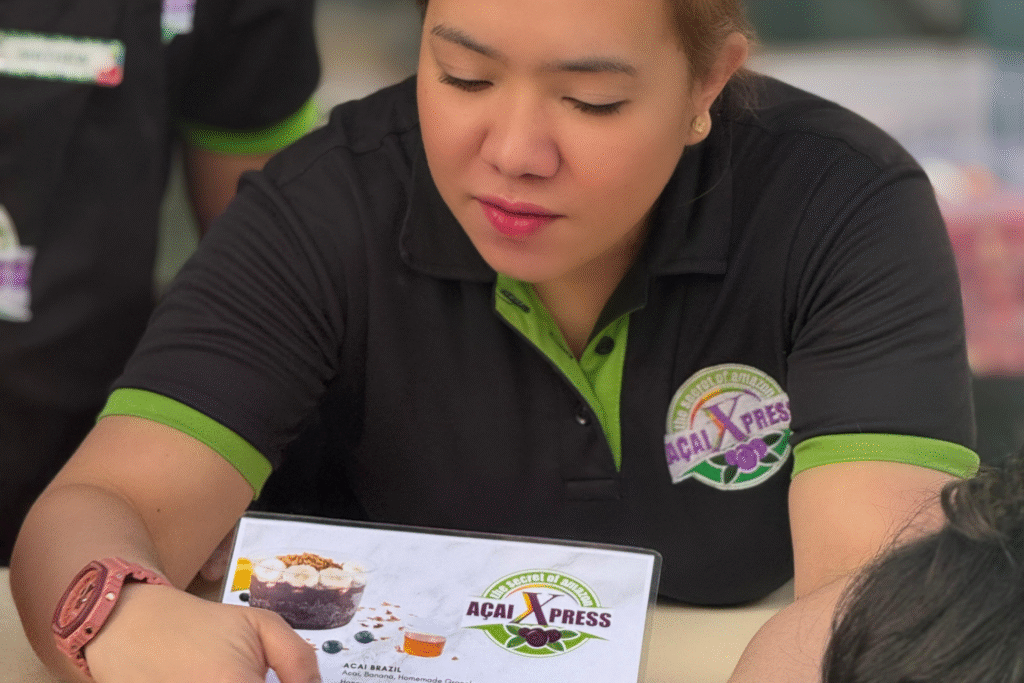
From AcaiXpress to AcaiX: Continuing the Legacy
AcaiX exists because of the path opened by AcaiXpress. Where AcaiXpress pioneered the introduction of authentic acai to the UAE, AcaiX builds on that legacy with a modern, design driven, and experience focused approach. The commitment to quality remains the same. The difference lies in how the brand expresses that commitment through visuals, storytelling, and menu creativity.
For AcaiX, the origin of acai is not background information. It is the foundation of everything we do. When we choose our suppliers, design our recipes, and present our bowls, we carry forward the responsibility that comes with working with a fruit that has sustained communities in the Amazon for generations.
Every spoonful of acai served under the AcaiX name has journeyed from an Amazonian palm tree, through careful harvesting and pulping, through freezing and logistics, and finally into a bowl or cup in the UAE. This connection between rainforest and city is the true story behind the vibrant purple color.
By understanding where acai comes from and how it reached the UAE through AcaiXpress, customers can enjoy their bowl with a deeper sense of appreciation. Acai is flavor, energy, and indulgence. It is also history, culture, and continuity.